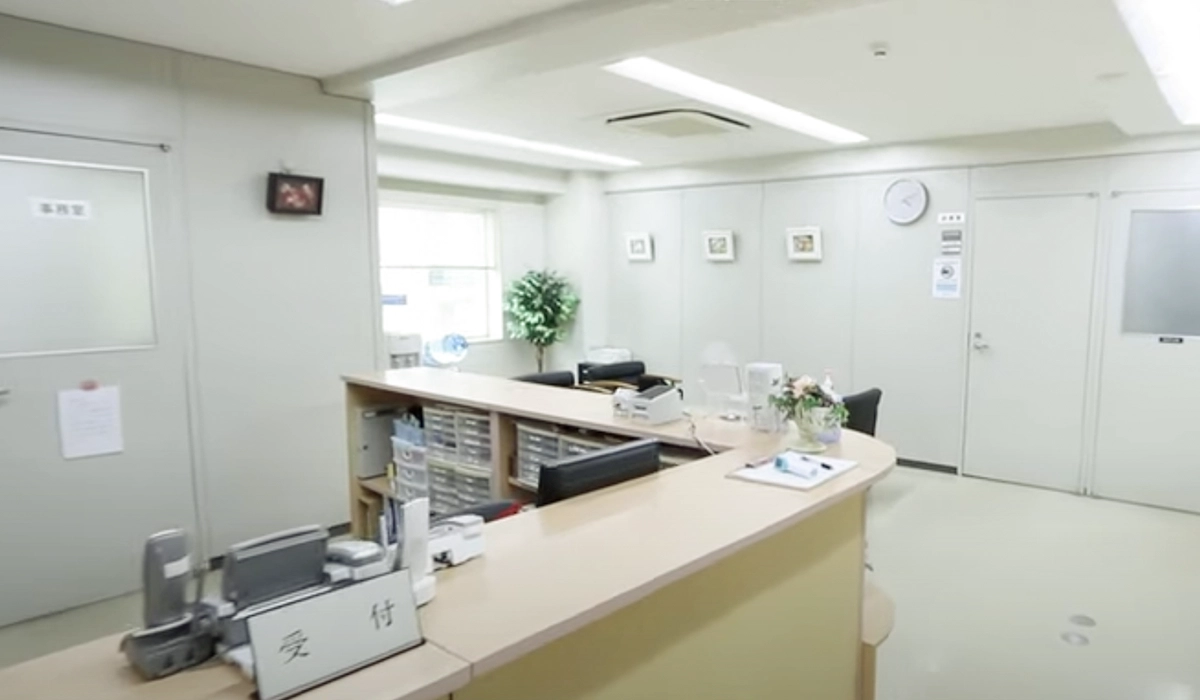
About Our Clinic
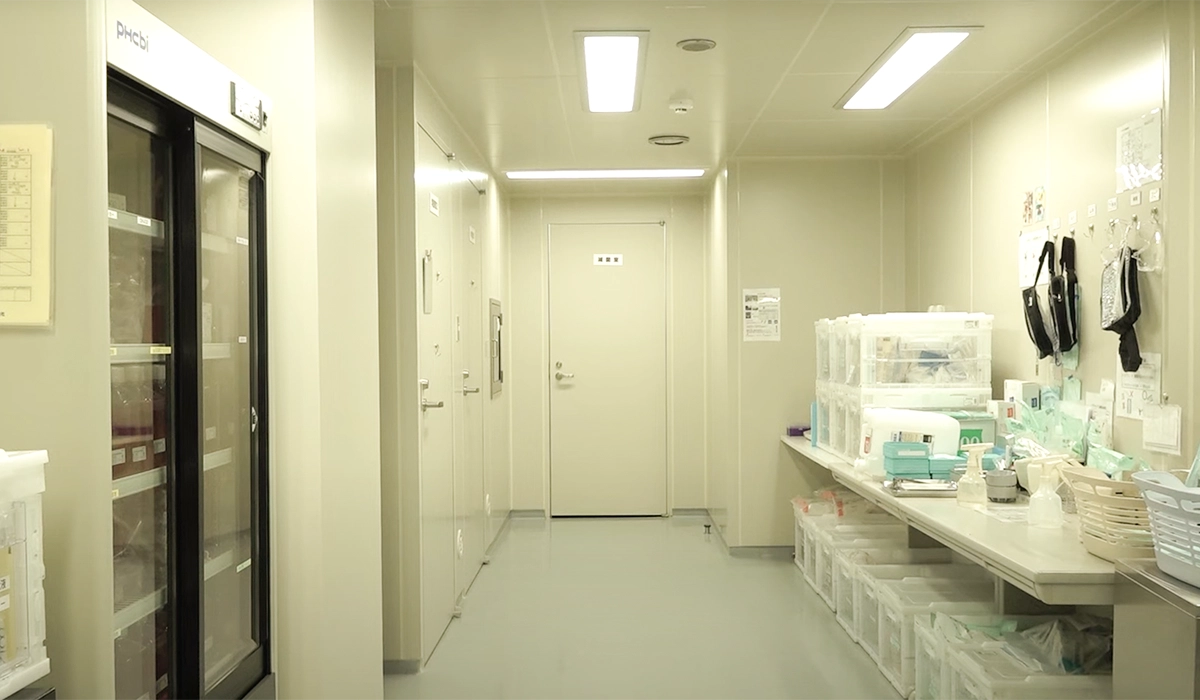
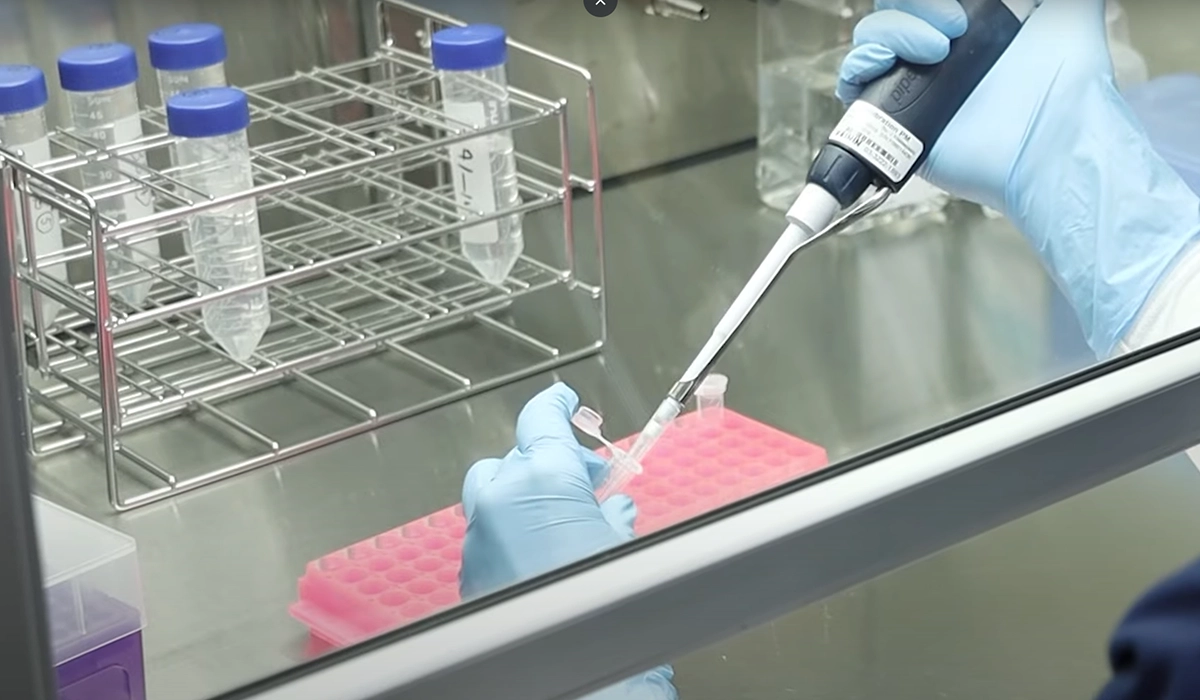
There is no significant difference, but usually, the cells proliferate into therapeutic cells within about 3 weeks. However, there are slight individual variations, so it is important to assess the culture conditions and adjust the treatment plan accordingly. At Osaka Iseikai Cancer & Neurological Disease Treatment Clinic, we have a dedicated culture room, so we carefully consider the appropriate timing to reinfuse the cells into the patient's body during treatment.
Not everyone accumulates ascites. Ascites develops when cancer cells spread to the abdominal area and cause cancerous peritonitis. However, ascites can also accumulate if there is liver dysfunction. Therefore, it is important to check whether cancer cells are present in the ascites, as this will determine whether intraperitoneal cancer immunotherapy is appropriate. Please be aware of this.
Animal experiment data reported in a 2007 European journal indicates that the effectiveness of cancer treatment increases when chemotherapy is combined with immunotherapy. Therefore, we strongly recommend combining immunotherapy with chemotherapy for better results.
Immunotherapy can be applied to all patients, regardless of their individual constitution. However, the type of immunotherapy used will depend on the patient's condition, so we recommend consulting with us first. Rest assured, we will find the appropriate treatment for you.
High-dose vitamin C intravenous therapy is primarily used to alleviate the side effects of chemotherapy. However, it is not necessarily required to be combined with immunotherapy. If combined, it is important to administer the vitamin C drip on a different day from the immunotherapy treatment.
A study by a group in France in 2007 reported that combining immunotherapy with chemotherapy increases the effectiveness of chemotherapy.
The acquired immunity is believed to remain in memory cells, and animal experiments suggest that it lasts for about a year.
Please obtain a section of the cancer tissue from the paraffin block of the cancer tissue removed during surgery from the hospital where the surgery was performed.
It is recommended to start immunotherapy and combine it with chemotherapy when there is a possibility of metastasis, which could be diagnosed after regular check-ups for 10 years.
We have had positive clinical experiences with breast cancer patients in the past.
It is unlikely that immunotherapy will be covered by insurance soon.
Yes, that’s correct. Tumors with higher antigenicity are generally considered to respond better to immunotherapy.
Generally, immunity tends to decrease gradually with age.
Yes, we can measure natural killer (NK) cell activity through a blood test. The cost is approximately ¥10,000.
NK cells are not specifically used for COVID-19 treatment, but it is known that NK cells can destroy infected cells, including those infected with the coronavirus. While it is not yet officially recommended for COVID-19 treatment, NK cells have been confirmed to destroy virus-infected cells.
The type of cancer does not affect its effectiveness. This is a natural immune therapy, and it fights against infected cells, whether they are infected by cancer, viruses, or bacteria. Therefore, it is not related to the type of cancer.
There is evidence published in journals like Nature. If your doctor is unaware of this, please understand that there is plenty of evidence available if you search for it. Please avoid misunderstandings.
It has been reported at medical conferences that combining immunotherapy with chemotherapy makes the treatment more effective, as it helps destroy cancer cells more easily.
The decrease in white blood cell count to 2500 is likely due to the chemotherapy or radiation therapy you received. It is not critically low. White blood cell counts are considered low when they fall below 1500. Since your count is not dangerously low, try not to worry too much. It is more important to relax and take care of your mental state, so please focus on that.
NK cells also work against infected cells, such as those infected by viruses like the current coronavirus. You can consider that NK cells work against the coronavirus as well.
Immunotherapy generally requires about six infusions. It is believed that after about six treatments, the NK cells will be "remembered" by your body. Therefore, the recommended number of infusions is about six.
There is no concern about NK cells increasing too much. The body regulates the number of NK cells, and there have been no reports of problems arising from an overproduction of NK cells.
It is believed that cytokines, such as interferon gamma, are secreted, which in turn enhance NK activity.
It varies by individual. Typically, NK activity ranges from 15% to 40%.
NK immunotherapy is considered to be applicable to all types of cancer.
It is true that chemotherapy can hinder the activation of NK cells. However, it is still entirely possible to undergo NK cell therapy while receiving chemotherapy. In fact, NK cell therapy can be done alongside chemotherapy, and it can help support the immune system during treatment.
Most people experience little to no side effects. Occasionally, there may be mild fever, but in general, the therapy can be received without significant side effects.
Yes, it is definitely possible to receive NK cell therapy during chemotherapy. Please feel free to consult with us for more details.
The main treatments for cancer are surgery and drug therapy. This drug therapy includes chemotherapy, molecular targeted therapy, and immunotherapy.
Yes, we have patients who come from as far as Kyushu. The process of blood collection and cultivation takes about two weeks, and dendritic cells are injected after one week. Patients can visit the clinic just for this injection, so even those coming from far away can easily visit. We welcome you to come and receive treatment.
At our clinic, we offer free consultations. You can consult with us to discuss immunotherapy options, or you can talk to your current doctor about your interest in trying immunotherapy. It's ideal to inform your current doctor, as this will allow us to understand your previous medical data. Unfortunately, not all doctors are familiar with immunotherapy, but it is essential to receive the best cancer treatment. Feel free to consult with any immunotherapy facility, and they can guide you on how to proceed. Osaka Iseikai Cancer and Neurological Disease Treatment Clinic is always available to assist you.
Generally, NK cell activity can be measured to confirm this. It can be checked through regular tests as well. The method of confirming this is by collecting blood and measuring NK cell activity.
Neoantigen Dendritic Cell Vaccine Therapy alone is not enough. The most effective approach is to combine Neoantigen Dendritic Cell Therapy with chemotherapy or radiation therapy. In 2007, a French group published data from animal experiments comparing immune-competent mice and immune-deficient mice, which showed that both chemotherapy and radiation therapy were less effective in mice with insufficient immune function. Therefore, regardless of the location of the cancer, it is not advisable to rely solely on immunotherapy. If possible, combining it with chemotherapy or radiation therapy is considered the most effective treatment approach.
DC therapy is a type of cancer vaccine therapy, so patients who wish for a vaccine therapy would opt for DC therapy. TIL therapy is recommended for patients with ascites or cancerous peritonitis where ascites has accumulated in the abdomen. The choice of treatment is made after discussion between the patient and the doctor. Please feel free to consult with us regarding your treatment options.
Immunotherapy is effective for blood cancers as well, as we know the antigens involved in leukemia. However, the timing of the treatment is important and needs to be carefully considered. Immunotherapy is effective for blood cancers.
It is difficult to present a concrete numerical value for the effectiveness of NK cell therapy at this stage. We will continue to work toward providing more specific evidence for patients in the future.
There is no significant difference in prostate cancer treatment between Europe and Japan. Surgery, radiation, endocrine therapy, and chemotherapy are all used according to the stage of the disease. The development of new drugs for prostate cancer is progressing rapidly. Some drugs that are not yet approved in Japan may be used in Europe, but they are expected to be approved in Japan in the future.
When peripheral blood from patients is cultured for 3-4 weeks, the number of activated NK cells can increase by about 1000 times. Approximately 3-5 billion NK cells are then infused into the patient via intravenous injection.
The immunotherapies such as NK cell therapy and dendritic cell therapy performed at our clinic generally have mild side effects, even if they occur. Common side effects include mild fever or rashes at the injection site.
There has been an experiment where burnt rice was fed to mice to induce gastric cancer. The amount used in this experiment would be equivalent to eating one bowl of burnt rice daily for several decades in humans. There is no epidemiological data suggesting that consuming burnt rice in everyday life leads to cancer. As long as burnt rice is not consumed in excessive amounts, it should not pose a problem. It is considered safe when eaten in reasonable quantities.
NK activity can be easily measured with about 10ml of blood.
White blood cells are classified into five types: neutrophils (40-70%), eosinophils (0.5-10%), basophils (0.3-2.0%), monocytes (4-10%), and lymphocytes (20-40%). The ratio of these five types can be used to help diagnose diseases.
NK therapy may be effective for recurrent cancer, but it is recommended to be used in combination with chemotherapy.
In regular hospitals or clinics, mixed medical treatments are prohibited by medical law, so NK cell therapy is not performed. If you search for lymphocyte cell therapy outside of insurance-covered treatments, you should find facilities that offer it.
Monocytes in the blood are separated into macrophages and dendritic cells, both of which are immune cells. Macrophages, also known as phagocytes, engulf and digest foreign invaders with digestive enzymes. They function in innate immunity. Dendritic cells (DCs) play the most important role in cancer vaccine therapy.
Immunotherapy is a self-paid treatment, but it qualifies for medical expense deductions for income tax refunds.
Immunotherapy uses vaccines made from the patient’s own cells, offering a gentle, personalized cancer treatment. It is an outpatient treatment that typically takes about an hour, including the consultation.
In principle, any cancer patient can receive treatment. However, depending on the condition, it may be difficult to culture immune cells. Additionally, patients with blood disorders may not be eligible for treatment. Please note that depending on the patient's condition on the day of treatment, it may not be possible to proceed with the therapy.
Unlike chemotherapy and other treatments, this therapy uses the patient's own cells, so there are usually no significant side effects. When cultured cells are administered into the body, an immune-activating drug may be given, which can occasionally cause a mild fever in about 10% of patients. In the case of dendritic cell therapy (DC therapy), itching, blisters, or redness may occur at the injection site.
At our clinic, we do not have inpatient facilities, and we are not available 24 hours a day. Therefore, it is important for patients and their families to continue treatment at their primary care doctor's hospital for peace of mind. It is common for patients to continue treatment with their primary doctor while also undergoing immunotherapy, and we recommend coordinating treatment with the primary doctor to achieve better results. It is preferable to obtain approval from the primary doctor, but you can still receive a medical consultation even without their approval.
As for medical consultations, if you explain your situation in detail verbally, it is possible to receive a consultation even without the primary doctor's approval or detailed medical data. Please feel free to visit us.
The necessity of continuing treatment depends on the patient's condition, and at our clinic, we do not set a strict framework for "one cycle" or "one set" of treatment. However, most cases are observed after an average of 10-12 treatments. We evaluate the patient's progress through diagnostic imaging such as PET-CT, immune function tests, tumor markers, etc., and based on the tumor size, metastasis, and the patient's physical condition, we decide the next steps and treatment plan in consultation with the patient and their family.
When cancer antigens are recognized by the immune system, dendritic cells, which are antigen-presenting cells, engulf small fragments of cancer cells. The engulfed cancer antigens are broken down and presented on the surface of dendritic cells as antigen epitopes via antigen-presenting molecules (MHC molecules). The dendritic cells then migrate to the regional lymph nodes, where they issue instructions regarding the cancer antigen information to T cells. This induces and establishes cancer antigen-specific cytotoxic T cells, which represent the cellular immune response against cancer. This is what is referred to as cancer dendritic cell therapy.
Dendritic cells can be differentiated and induced from monocytes in peripheral blood using GM-CSF and IL-4. These relatively immature dendritic cells, induced in this way, have a high phagocytic ability. After they engulf and digest antigens, they have the ability to present the antigens on the surface of the dendritic cells. One method is to inject these dendritic cells into the tumor, where the dendritic cells engulf and digest necrotic tumor cells or apoptotic tumor cells.
Another method involves allowing dendritic cells to engulf and digest cancer antigens in vitro, maturing the dendritic cells to present the cancer antigens. These mature dendritic cells are then reintroduced into the body, where they induce lymphocytes with anti-cancer activity. In this process, the cancer antigens used include extracts derived from the patient's own tumor cells or artificial cancer antigen peptides.
Cancer antigens derived from tumor cells are tumor extracts obtained by repeatedly freezing and thawing tumor cells. It is believed that these tumor extracts contain numerous cancer antigens. The tumor extract is then engulfed by dendritic cells and injected into cancer patients.
Additionally, tumor cell vaccine therapy, where tumor cells or tumor extracts are directly administered as a vaccine to cancer patients, is also suggested in some cases. In this case, the administered tumor cells are further broken down in the body, after which they are engulfed by dendritic cells. The dendritic cells then present the antigens, inducing an anti-cancer immune response.
ancer antigens that are specifically expressed in cancer cells, or highly expressed compared to normal tissue, have been identified one by one. Since the amino acid sequences of these antigens are known, they can be artificially synthesized and are called cancer antigen peptides.
When using cancer antigen peptides for immunotherapy, the affinity between the amino acid sequence of the cancer antigen peptide and the antigen-presenting molecules (MHC molecules) on dendritic cells varies. Currently, immunotherapy is primarily conducted on individuals with HLA-A2 and -A24 types.
The specific methods of immunotherapy involve either directly administering the cancer antigen peptides with appropriate adjuvants, or having dendritic cells engulf these cancer antigen peptides before administering them.
In general, to establish an effective immune response, it has been shown that administering vaccines prophylactically, as seen with vaccines for infectious diseases, can be effective. However, therapeutically, the effect may not be as pronounced. For dendritic cell therapy, when designing clinical trials, it is considered appropriate to perform it as early as possible after standard therapies, such as surgery, as the first choice, targeting microscopic residual disease.
Cancer treatments generally include surgery, which aims to remove as much cancerous tissue as possible, chemotherapy or radiation therapy to target even the smallest remaining cancer cells, and immunotherapy, which theoretically aims to completely eliminate all remaining cancer cells from the body. Although cancer immunotherapy is still in the research phase, it is seen as a treatment with fewer side effects and could potentially become the fourth pillar of standard cancer treatments, with growing expectations.
Moreover, immunotherapy for cancer in the future will likely include patients in the advanced or even terminal stages. Therefore, it is anticipated that cancer immunotherapy will increasingly be used as part of palliative care. Even when survival time does not show significant differences as an endpoint in clinical trials, immunotherapy may help control various symptoms in terminal cancer patients and maintain a high Quality of Life (QOL). Thus, evaluating whether immunotherapy can maintain high QOL, based on both objective and subjective evaluations from cancer patients, will be an important point.
Even if surgery is successful, recurrence and metastasis remain major issues for cancer patients. Therefore, the goals of cancer immunotherapy are as follows:
In the treatment of malignant tumors, surgery is undoubtedly the most reliable method for removing tumors. Therefore, surgery remains the primary treatment option for malignant tumors. However, for advanced malignant tumors, recurrence after surgery is a significant problem, and treatment strategies must be developed with the anticipation of recurrence.
In cases where cancer recurs or metastasizes, or when surgery is impossible, various chemotherapy and radiation therapies have been used in the past. However, these treatments often reduced the patient's QOL and required hospitalization due to side effects, sacrificing daily life.
Currently, there is a shift in patient awareness regarding cancer treatment, with a desire for treatments that have fewer side effects and can be administered on an outpatient basis, without sacrificing daily life. As a result, the medical community is being asked to adapt to these needs, and cancer immunotherapy could become a new and effective tool to meet these demands.
Cancer immunotherapy encompasses various methods, and the immune system itself consists of a highly intricate network of immune cell interactions, all of which are important. By effectively utilizing these mechanisms, we can expect beneficial immune treatment outcomes.
In cancer immunotherapy involving immune cells such as LAK, TIL, CAT, and CTL, all of these cells can damage and kill tumor cells when they come into contact with them outside the body. However, sometimes the expected results are not achieved. Moving forward, developing methods to maintain the activity of the cells after they are administered into the body and ensuring their accumulation at the tumor site (Cell Delivery System) will be crucial. Additionally, tumors themselves produce various substances that suppress immunity, inhibiting the tumor-damaging activity of the transferred cells. Overcoming this challenge is also a critical point.
As for the future direction of dendritic cell therapy, which is gaining attention as a new cancer immunotherapy, it should be positioned as an adjuvant therapy for minimal residual disease after standard treatment. Combining cell transfer therapies with dendritic cell therapy, which is believed to have anti-tumor effects, is desirable. Using self-tumor cell-derived extracted antigens or several appropriate cancer antigen peptides for dendritic cell therapy and establishing acquired immunity against the antigens as early as possible in the body will be a key focus in the future. Proving prolonged survival with a high QOL (Quality of Life) without tumor recurrence is essential for recognizing cancer immunotherapy as one of the standard treatments in the future.
In cancer treatment, early detection and early treatment are the gold standard. This allows for more treatment options and makes low-invasive treatments for cancer possible. When cancer immunotherapy is properly combined with surgery, chemotherapy, and radiation therapy, there will come a time when, even after a cancer diagnosis, it will not be feared. Researchers in cancer immunology are working tirelessly to bring this era closer.