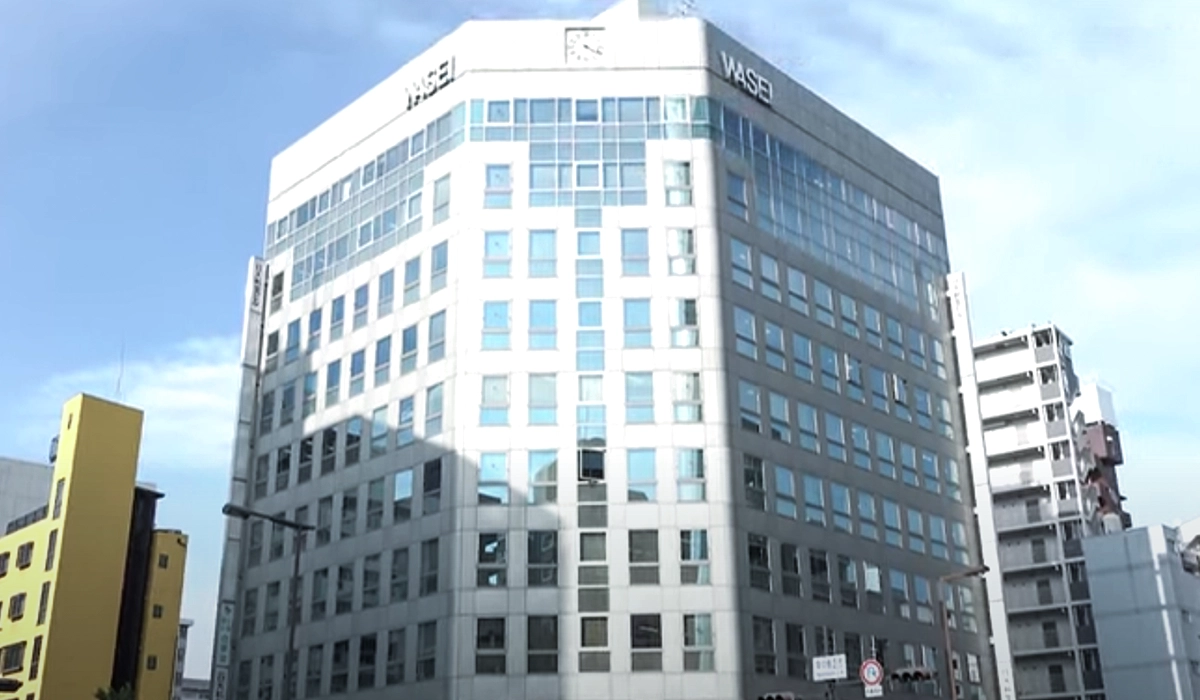
About Our Clinic
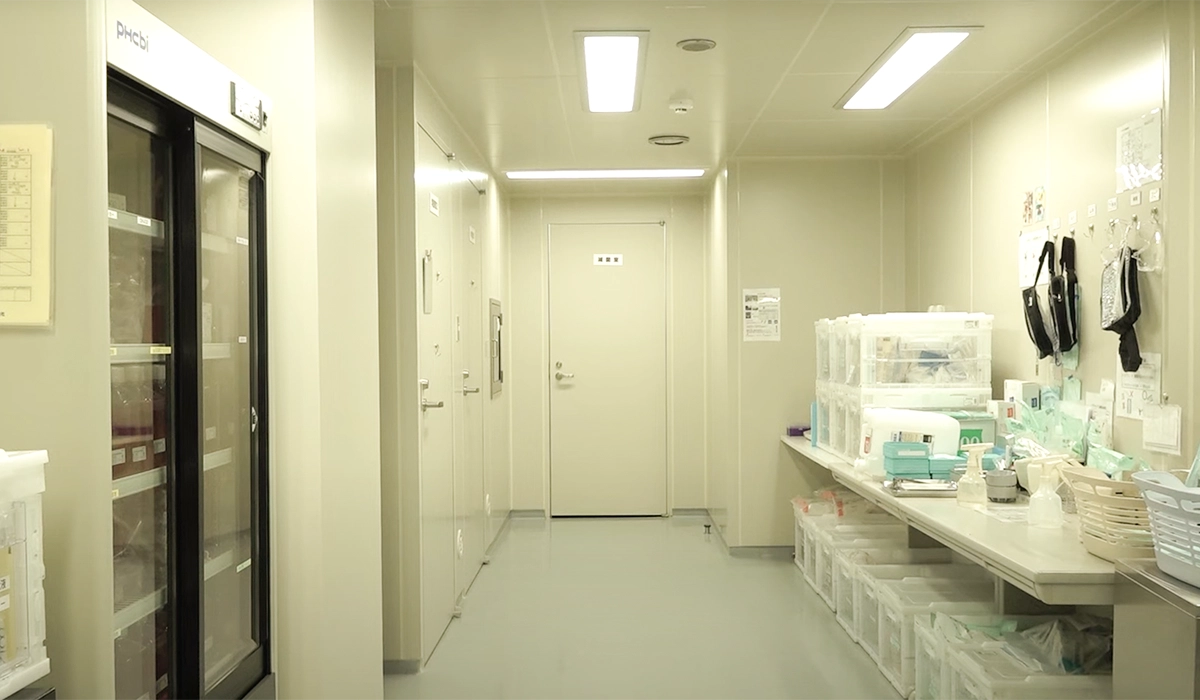
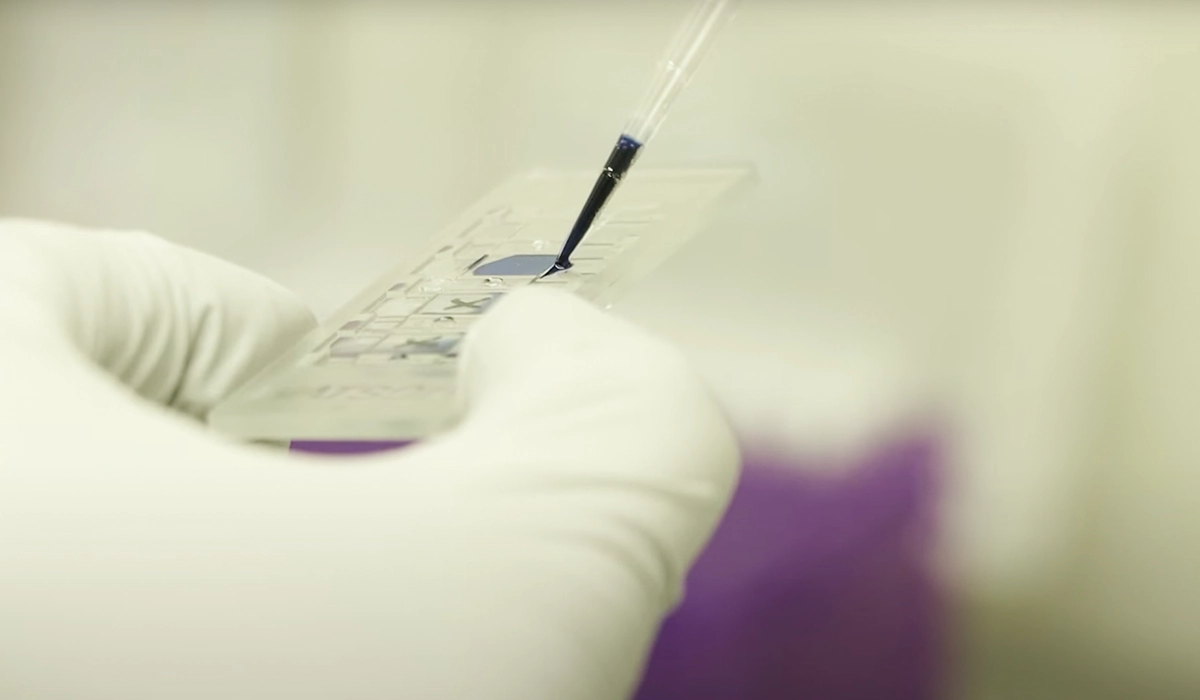
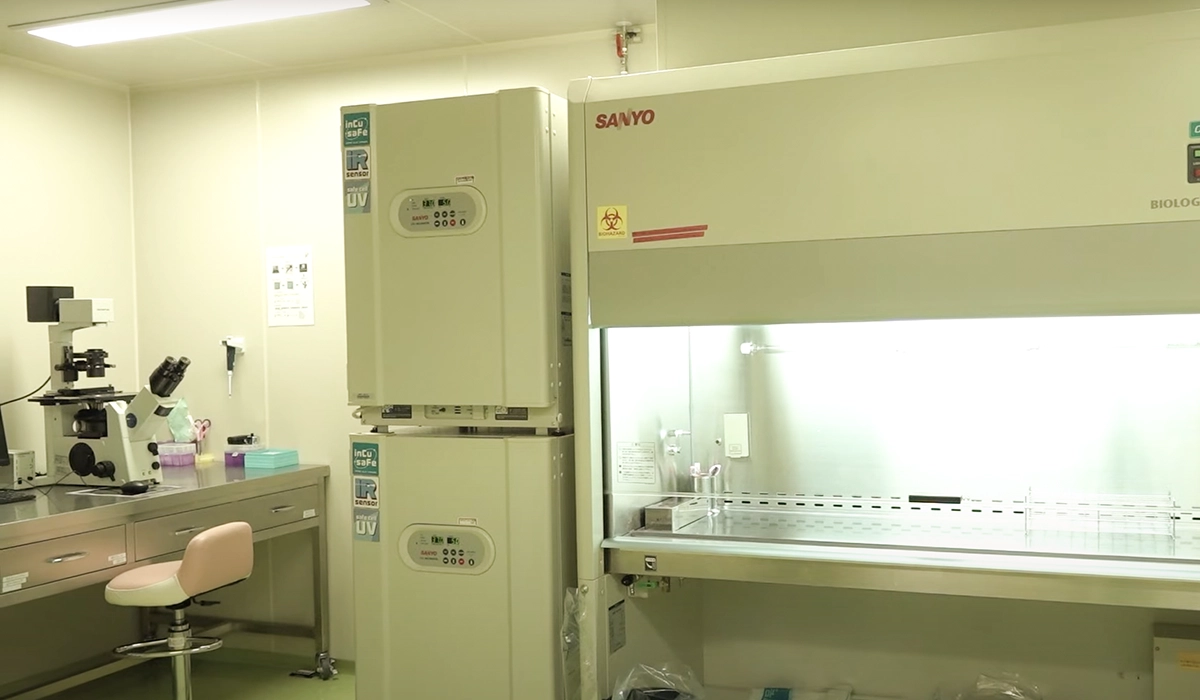
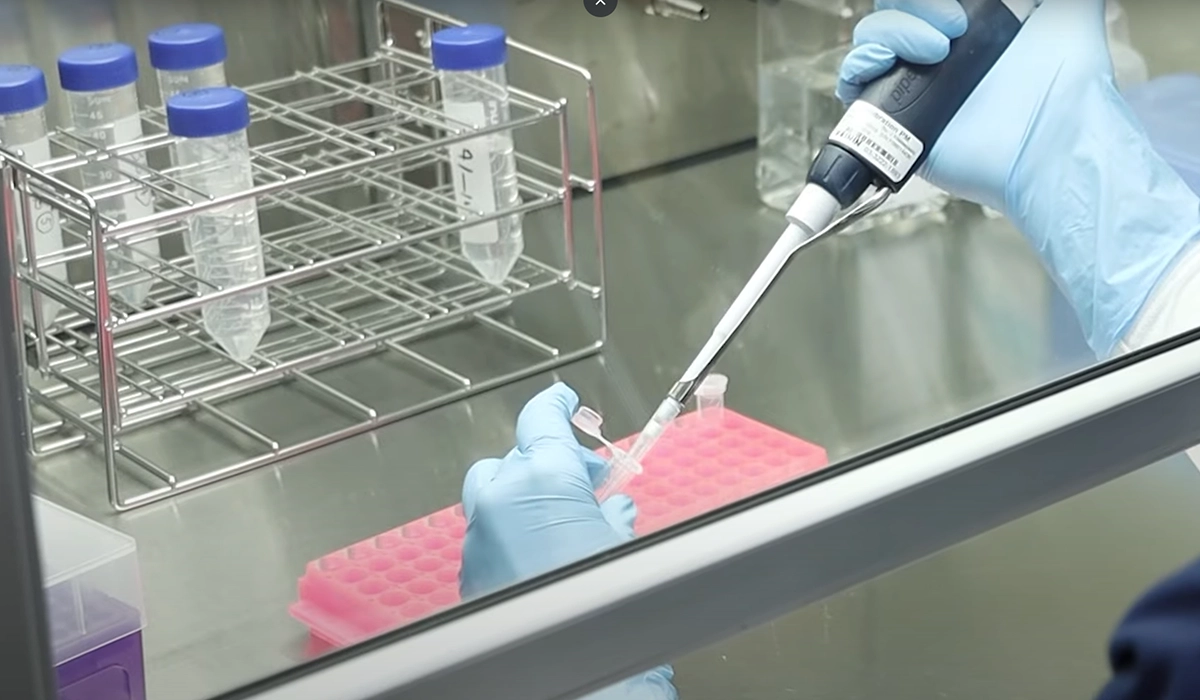
Cancer immunotherapy requires the processing, cultivation, and preparation of immune cells—collectively referred to as "cell processing." Each of these steps demands a high level of safety and quality control, comparable to pharmaceutical manufacturing. These standards are referred to as GMP (Good Manufacturing Practice).
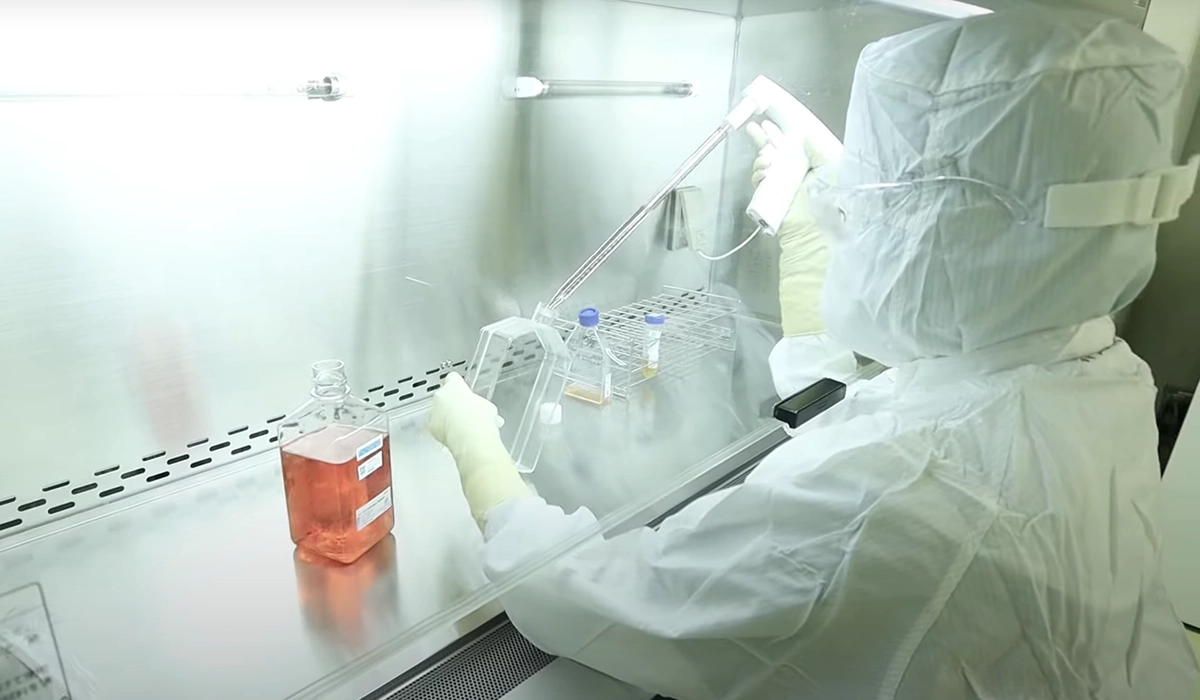
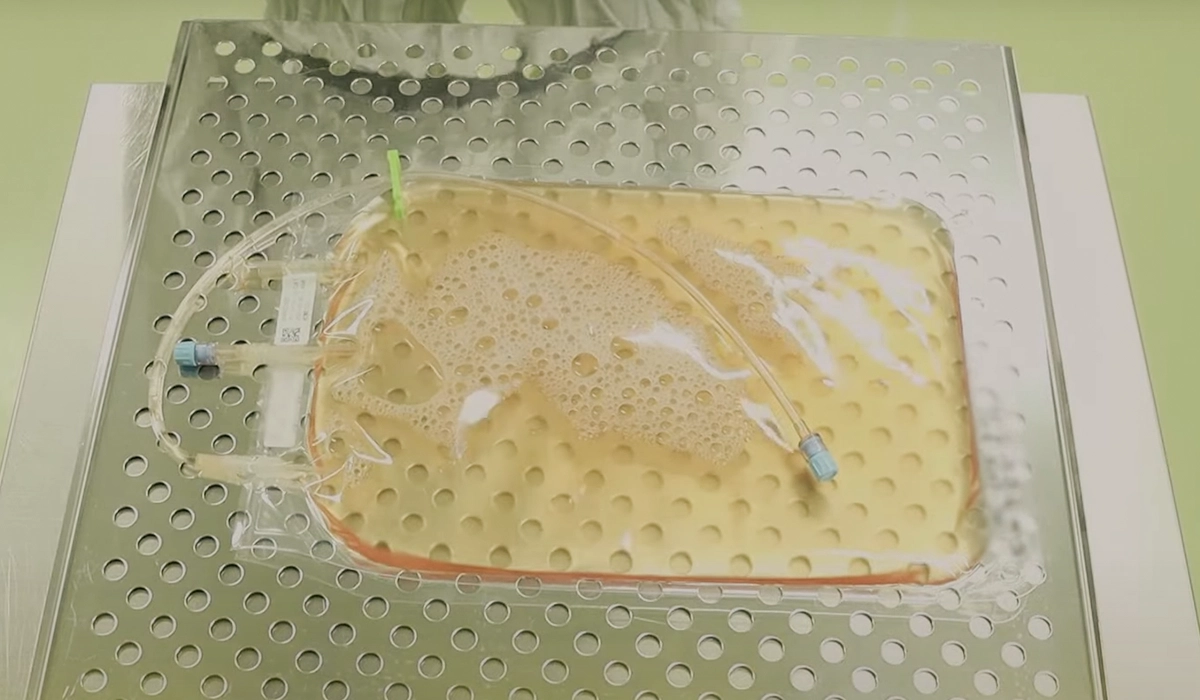
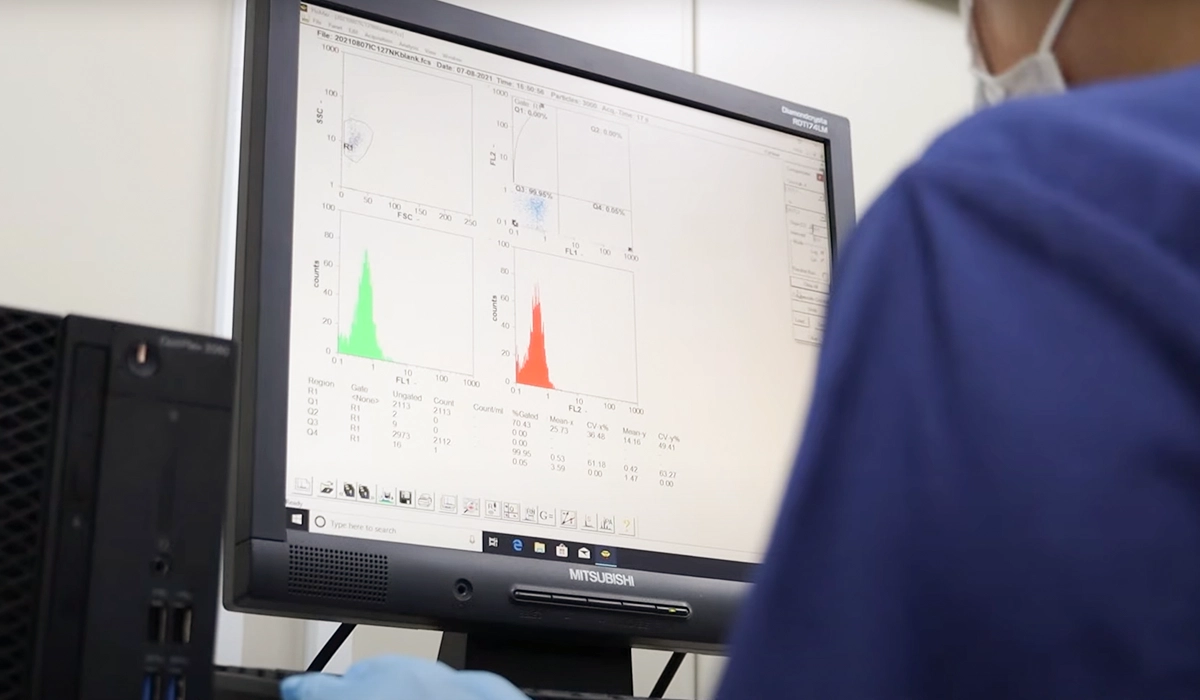
JSRM Advanced Cell Processing Operator (J-ACPO) is a qualification certified by the Japanese Society for Regenerative Medicine. It refers to cell culture technicians who have a theoretical understanding of the basics and applications of cell culture in regenerative medicine and are capable of providing guidance in this field. This qualification is an important one for ensuring the quality of cell culture, and you can use it with confidence.
A facility with properly managed equipment and environment that can prevent human errors
A hygienic facility that prevents immune cell contamination or quality degradation
A facility designed to consistently maintain high quality
* In Europe and the United States, cell processing that complies with GMP grade is mandatory. Similarly, Japan has also established GMP standards for pharmaceuticals. Currently, acquiring manufacturing licenses for pharmaceuticals requires that the production facility meets GMP standards.
In response to these conditions, our clinic has established a GMP-compliant Cell Processing Center (CPC), where skilled technicians carry out the cultivation, processing, and preparation of immune cells to ensure safety and maintain high quality.

Depending on the purpose of the operation, clean rooms and semi-clean rooms with appropriate equipment and space are provided. When aseptic processing is required, the work is carried out in clearly separated rooms to prevent contamination by microorganisms.
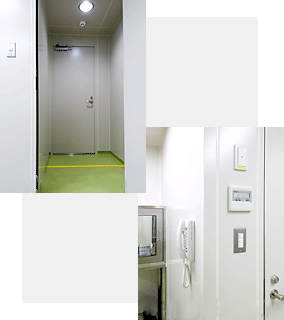
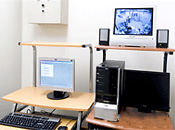
To ensure personal information protection, entry and exit to clean rooms and semi-clean rooms is strictly controlled under a centralized management system. This includes an integrated information system and multiple layers of security locks.
In addition, all operational records and surveillance camera footage are centrally monitored and managed.