About Our Clinic

When someone is diagnosed with cancer, it is important that the patient themselves can move forward with treatment in a way they fully understand and accept. However, it is difficult to make calm and rational decisions when one is in shock after being told such a diagnosis.
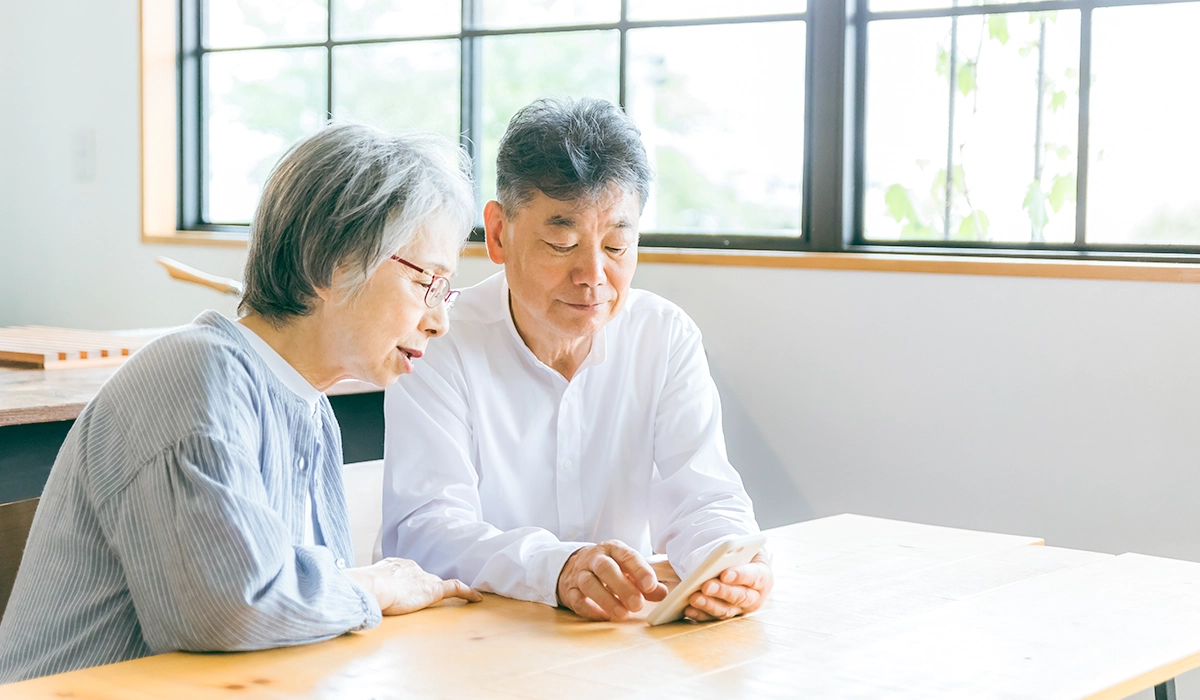
As the patient's family, it is vital to listen closely and draw out what the patient values, what they want to communicate, and what they hope to do. Supporting treatment choices that reflect those wishes is key.
At the hospital, patients may be presented with multiple treatment options and be told to "make the decision yourself."
However, unless one is regularly involved in medical care, it can be extremely difficult to make such important decisions about uncertain outcomes.
In times like these, the advice, presence, and attentive listening of family members can help the patient pause, reflect, and organize their thoughts.

In any situation that requires decision-making, having accurate information is vital.
However, for patients who have just been informed of their diagnosis and are quickly undergoing various tests and treatments, it is often difficult to gather comprehensive information about their condition on their own.
In such cases, it becomes extremely important for family members to step in, gather relevant information, and organize it in a way that helps the patient make well-informed decisions.
Cancer varies widely in its prognosis depending on its type and stage. Some cases may be completely cured through early detection and endoscopic treatment alone, while others may not respond even after major surgeries or harsh chemotherapy.
Therefore, in deciding on a treatment plan, it is crucial to understand the patient’s diagnosis, the stage of the disease (its extent or spread), and the pathology of the tumor.
Next, one must consider what treatment options are viable given the patient’s overall health (including other conditions like heart disease or diabetes), weigh the pros and cons of each treatment, consider the prognosis, and search for an approach that aligns with the patient’s wishes as closely as possible.
We live in an age of abundant information—books, the internet, and more.
However, amidst this vast sea of resources, there is also a flood of misleading, exaggerated, or unsubstantiated information.
It can be quite difficult for those without a medical background to discern and extract only the correct and necessary information from it all.
When there are uncertainties about a diagnosis or treatment plan, it may be a good idea—time permitting—to seek a second opinion and consult another specialist.
At our clinic, all attending physicians have decades of experience in cancer treatment. They help patients assess their current stage of illness and explain available treatment options—including both their benefits and drawbacks—with a comprehensive perspective.
While there may be painful realities to face, we believe we can help patients make the most of their limited time in a meaningful way.

Each patient’s condition, treatment, and prognosis are unique.
Similarly, each patient’s way of thinking, what they need to protect, what they want to say, whom they want to say it to, and their financial circumstances are all different.
Therefore, there is no single “right” choice.
What matters most is whether the patient themselves feels convinced and is able to move forward.
Rather than asking “Is this the right decision?”, perhaps the more important question is,
“Is this a decision I can move forward with in peace?”

There may be times when the doctor explains the patient’s condition first to the spouse or children and asks them to make a decision about the treatment plan.
Nowadays, it is generally accepted that “the patient’s own decision should be respected.”
However, after receiving a cancer diagnosis and being rapidly moved through tests and treatments, it can be very difficult for the patient to calmly take time to think everything through.
Likewise, it is unrealistic for family members to shoulder the burden alone – to think, decide, and make choices entirely by themselves.
By consulting with other family members within a reasonable scope, you can exchange ideas on questions or treatment options you may not have noticed before, and this collaborative approach can help lead to choices with fewer regrets.
Sometimes, patients may stop sharing their true feelings if they sense their family members are overwhelmed or exhausted.
To allow the patient to express their honest emotions and move forward, it is important that the caregivers' hearts and bodies also remain at peace.
For that reason, rather than keeping it all to yourself, why not try reaching out to others you can talk to and share the burden?

Depending on the patient’s condition, they may experience a wide range of challenges: being unable to move, eat, or sleep, feeling irritated, depressed, or overwhelmed with anxiety.
At such times, what can family members do?
You don’t necessarily need to do anything specific.
Just being there is enough. When the patient wakes up and sees a loved one by their side, that alone can bring immense comfort.
You don’t need to actively do something — it’s perfectly fine to read a book, take a nap, or watch TV.
What matters is simply being there.
Cancer treatment is often a long journey. Family members are sometimes referred to as “the second patient.”
Taking care of your own health is just as important. Please try to share the burden as much as possible, and approach it with a long-term perspective.